Historical Use of Botanical Ingredients
Exploring how different cultures have traditionally used plant-based compounds.
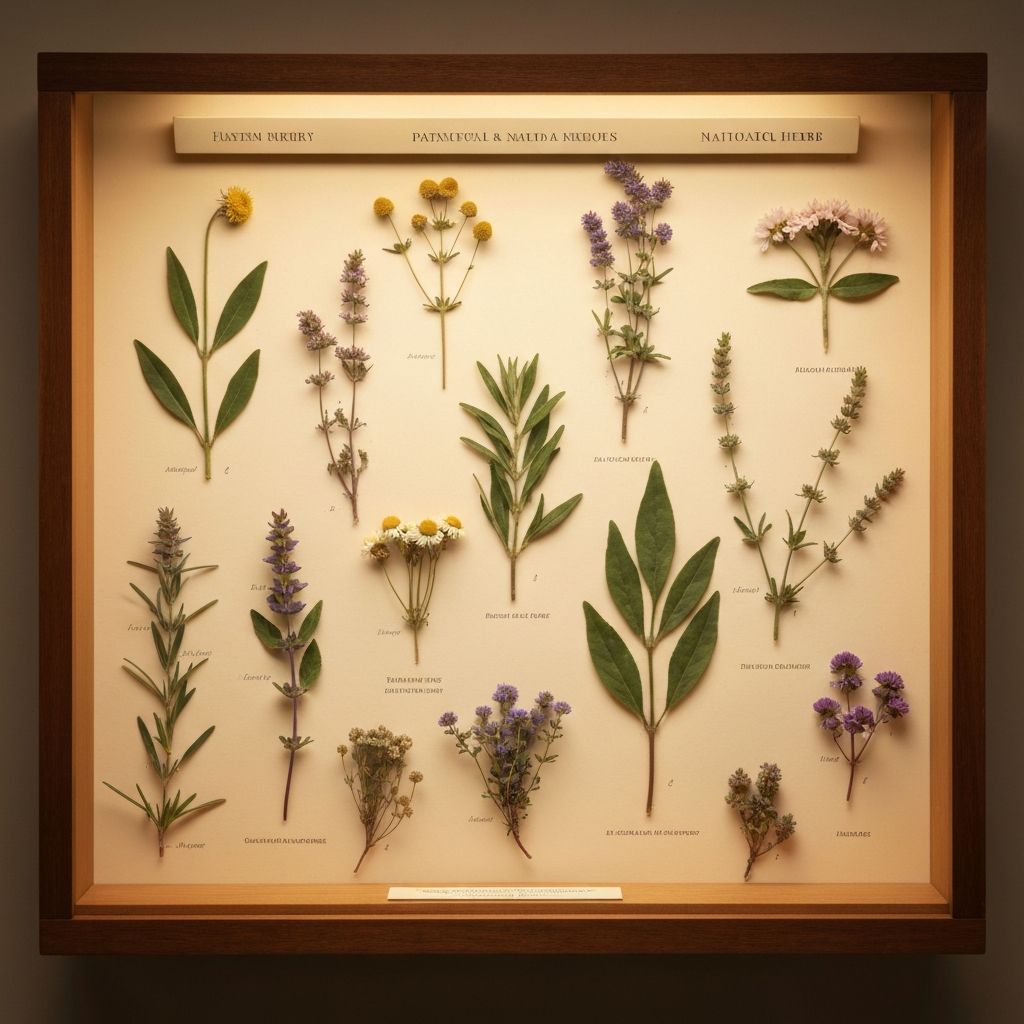
Traditional Botanical Knowledge
Throughout human history, cultures worldwide have developed sophisticated knowledge about plants and their uses. Traditional medicine systems accumulated empirical observations over centuries, creating valuable resources of botanical information that modern science continues to examine.
Understanding historical context helps us appreciate the cultural significance of botanical ingredients and provides a foundation for modern scientific investigation of these traditional practices.
Traditional Medicine Systems
Traditional Chinese Medicine
Developed over thousands of years, TCM incorporates botanical ingredients within a holistic framework emphasizing balance and harmony in the body's systems.
Ayurvedic Medicine
An ancient Indian system emphasizing plant-based remedies and treatments tailored to individual constitutional types and health conditions.
Herbal Traditions
European herbalism traditions developed practical knowledge about plants used to support various aspects of health and wellness across centuries.
Timeline of Botanical Research
Ancient Period (3000 BCE - 500 CE)
Earliest written records of botanical use appear in Egyptian, Chinese, and Indian texts. Traditional knowledge systems develop through empirical observation.
Medieval Period (500 - 1500 CE)
Herbal knowledge preserved and expanded by monasteries and herbalists. Trade routes facilitate exchange of botanical knowledge across regions.
Scientific Revolution (1500 - 1800)
Modern botany emerges. Scientists begin systematically studying plant compounds and their properties through new experimental methods.
Modern Era (1800 - Present)
Chemical isolation and synthesis of plant compounds. Rigorous clinical studies examine traditional uses through scientific methodology.

Bridging Tradition and Science
Modern research often begins with traditional uses of botanical ingredients. Scientists investigate the compounds responsible for observed effects and evaluate them through rigorous experimental methodologies.
This approach respects traditional knowledge while applying scientific scrutiny. Some traditional uses have been supported by research findings, while others show interesting but limited evidence, and still others lack substantial scientific support.
Not a medical product. Consult a doctor before use.
This article provides historical and cultural context about traditional botanical use. It is not intended to endorse traditional practices as medical treatments or to recommend any substances. Modern medical guidance should always be sought for health concerns.